
- By Nashtech PEB Team
- Jul 24, 2026
- 0 Views
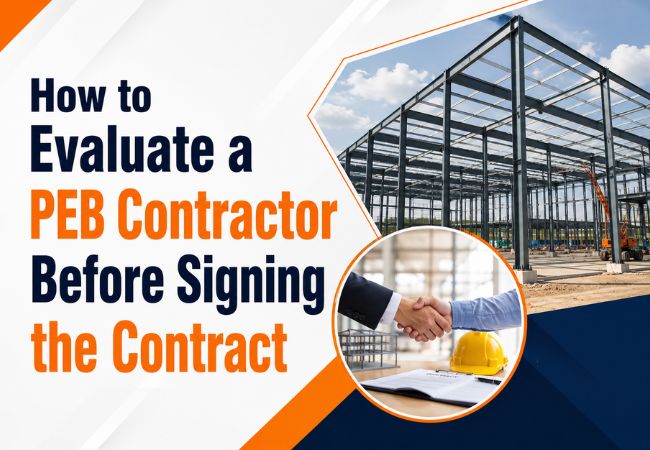
How to Evaluate a PEB Contractor Before Signing the Contract
Most people building a warehouse for the first time assume the hard part is finding land and getting permissions sorted. Truth is, the real risk shows up later, when you're stuck with a contractor who overpromised and underdelivered. Learning how to evaluate PEB contractor options the right way, before any money changes hands, is what separates a smooth project from a stressful one that drags on for an extra year.
There's no shortage of steel fabricators out there claiming they can handle your project. The trick is figuring out who's actually capable versus who's just good at sales pitches.
Table of Contents
- Why This Decision Deserves More Than a Quick Comparison
- Look Past the Sales Pitch and Into the Engineering
- Visit the Fabrication Facility Yourself
- References Matter More Than Photos
- Put Together a Written Checklist
- What Actually Counts as Good Evaluation Criteria
- Go See a Completed Project in Person
- Final Thoughts
- Frequently Asked Questions
Why This Decision Deserves More Than a Quick Comparison
Warehouse construction isn't something most companies do often. Maybe once every ten years, sometimes even less. So there's rarely internal experience to fall back on when judging who's actually good at this job. That's exactly where PEB contractor selection becomes tricky, because on paper, most contractors sound similar. Everyone claims fast delivery, quality steel and competitive pricing.
The contractor you go with is responsible for structural design, fabrication, transport logistics and final erection. A weak link anywhere in that chain shows up eventually, sometimes as a leaking roof, sometimes as columns that were never quite the right size for the load they carry. Getting choosing a PEB contractor right the first time avoids all of that.
Look Past the Sales Pitch and Into the Engineering
The first thing worth checking is whether the company has its own structural engineering team or whether they're just outsourcing this to freelancers or third parties. A contractor with in-house engineers, using proper load calculation software for wind, seismic zone and roof conditions specific to your site, builds something that's actually meant for your location rather than a copy paste design used everywhere else.
Ask them straight up for a past design report you can review. Companies confident in their engineering work will hand this over without much fuss. If they stall or give vague answers, take that as a signal to keep looking elsewhere.
Read More: After-Sales Service & AMC for PEB Buildings
Visit the Fabrication Facility Yourself
Here's something people skip way too often, actually going and seeing where the steel gets made. Plenty of firms market themselves as manufacturers when really they're just buying finished components from someone else and adding their name to the invoice. A real PEB construction company India wide clients can happily let you tour their factory floor and show you the fabrication process in person.
While you're there, pay attention to how they handle anti rust coating. This detail gets overlooked constantly, but it's the difference between a structure lasting decades and one that starts rusting within a few monsoons, particularly if your site is anywhere near the coast.
References Matter More Than Photos
A polished portfolio full of images doesn't tell you much. What actually matters is talking to people who've already gone through the process with this contractor. A trustworthy pre engineered building contractor should be able to hand you a list of finished projects along with contact numbers, no hesitation involved.
When you get someone on the phone, skip the generic questions. Ask if the delivery date actually matched what was promised. Ask if any surprise charges popped up midway. Ask how the contractor reacted when something went wrong on site, because something always does, and how a company handles problems tells you more than how smoothly things go when everything's fine.
Put Together a Written Checklist
Relying on memory or gut feeling while comparing multiple contractors leads to mistakes. Building a simple PEB contractor checklist ahead of your meetings keeps things organized and fair across every quote you receive. A few things worth including:
- How long the company has actually been operating, and how many projects they've delivered
- Whether design work happens internally or gets sent out to third parties
- If they own their fabrication plant or depend on outside suppliers
- Standard steel grade and coating specs they use by default
- Whether erection is handled by their own trained crew or subcontracted out
- Payment schedule and exactly what triggers each stage of payment
- Warranty coverage on both the structure and the cladding
- Track record of meeting promised timelines on past jobs
Run every shortlisted contractor through this same list. It stops the comparison from turning into an apples to oranges mess where one quote includes things another one leaves out silently.
Also Read : Timeline Breakdown PEB
What Actually Counts as Good Evaluation Criteria
There's no magic formula here, it's really about weighing several things together rather than fixating on one number. Solid PEB contractor evaluation criteria typically covers technical strength, how financially stable the company is, their history of finishing projects on schedule, how clearly they communicate, and whether pricing stays transparent from the first meeting onward.
Financial health is something people forget to check. A contractor juggling too many projects with tight cash flow might quietly push your timeline back to focus on whoever paid a bigger advance. Ask directly how many active projects they're currently handling and whether they genuinely have room for yours.
Go See a Completed Project in Person
Any company calling itself the best PEB contractor in India should have no problem letting you inspect a structure they built a couple of years back, not something freshly finished last month. Look closely at how the steel has held up, whether the roof still seals tight, and ask the owner honestly whether they'd hire the same contractor again if they had to start over.
Final Thoughts
Picking the right partner for a project this size takes patience, and a bit of stubbornness about asking uncomfortable questions before signing anything. Don't let a low quote or a smooth sales meeting rush your decision. Dig into their engineering process, walk through their factory, call people who've already worked with them, and keep a checklist handy so nothing gets missed. That upfront effort ends up saving a lot more time and money than it costs.
Frequently Asked Questions
1. What's the most common mistake people make when hiring a PEB contractor?
Choosing purely based on the lowest quote. That number often hides shortcuts somewhere, whether it's thinner steel gauge, weaker coating, or a design barely meeting the minimum structural requirement. Price matters, but never in isolation from quality.
2. How many contractors should be shortlisted before making a final call?
Somewhere around three to four works well. Enough to compare properly without stretching the process out for too long. Just make sure everyone is evaluated against the same checklist so nothing gets missed in the comparison.
3. Does owning an in-house fabrication unit always mean better quality?
Generally yes, since it means tighter control over the whole process from cutting to coating. That said, some resellers partner with solid manufacturers and still deliver good results, so it's worth checking actual project history rather than dismissing a company just because they don't own a factory.
Recent Post
Copyright ©2025 All Rights Reserved by nashtechpeb.com